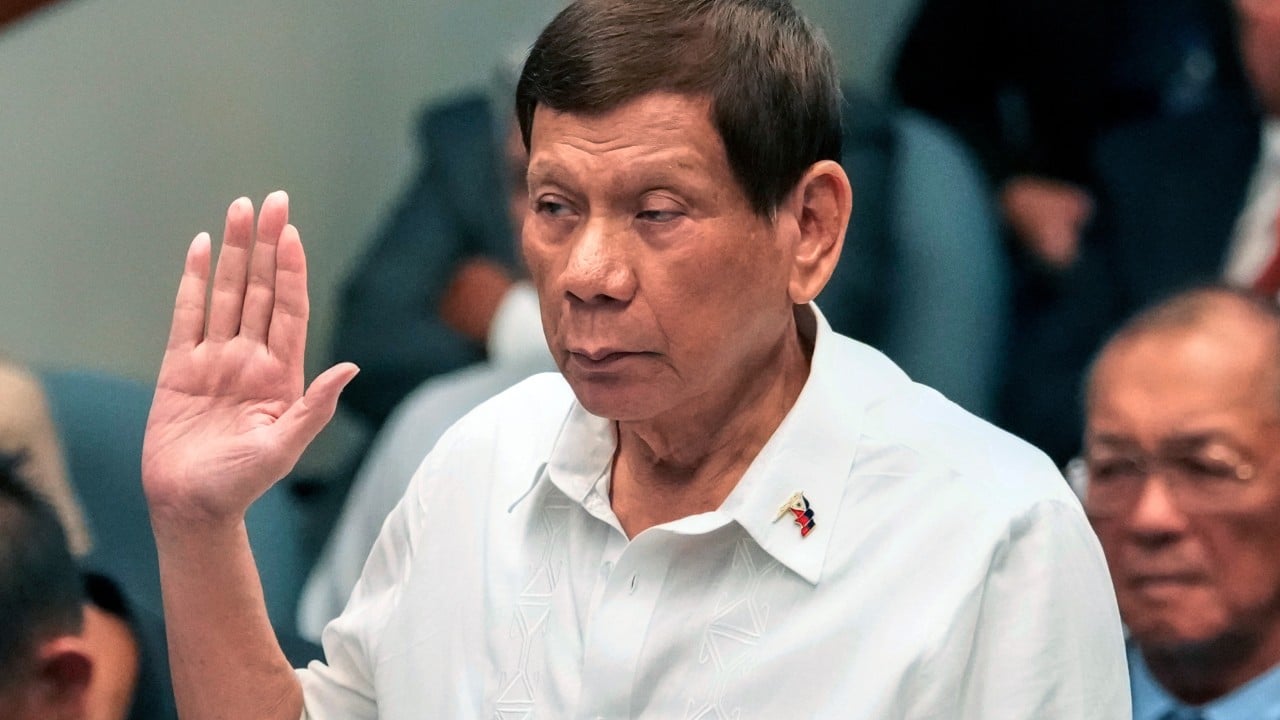
Former Philippine President Rodrigo Duterte sits at the center of an extraordinary legal battle at the International Criminal Court (ICC). At 81 years old, Duterte faces three counts of crimes against humanity tied to his brutal war on drugs, which left thousands dead between 2013 and 2018. But before any substantive evidence or testimonies can dissect those bloody years, the court must answer a glaring question: Does Duterte even know what room he is in?
His defense team claims he suffers from profound memory loss, sometimes forgetting his lead lawyer's name and believing he lives back in 2007 or 2008. Prosecutors push back, arguing he is completely fit for trial. This clash triggers an intense debate over medical assessments, cognitive decline, and the fine line between real neurological impairment and strategic avoidance.
The Core Conflict Behind the Fitness Assessment
Under ICC rules, a defendant cannot stand trial if they cannot understand the charges against them or take part meaningfully in their own defense. If an accused person cannot brief their counsel, remember basic timelines, or comprehend the judicial mechanics at play, proceedings must halt.
Duterte's legal team, led by Peter Haynes, submitted a 13-page filing outlining severe memory problems. According to these documents, Duterte cannot retain recent information, misidentifies his own age, and fails to recall simple political facts, such as when he was last elected or who the current US president is. Haynes argues that preparing a defense is nearly impossible because they cannot trust or rely on any instructions coming from their client.
On the other side, the ICC prosecution submitted a redacted seven-page filing insisting that Duterte remains capable of exercising his procedural rights. They claim he is fully fit to face the November 30 trial date.
The Medical Dilemma: Real Decline or Malingering?
Medical evaluations in high-stakes international tribunals rarely go smoothly. A panel of three medical experts evaluated Duterte to determine his mental state. Their findings, however, opened up a new controversy.
According to defense filings, the medical experts noted that Duterte "may not have been fully applying himself" during testing. This observation created a massive grey area. The evaluators could not definitively separate whether the poor test scores stemmed from malingering, a lack of motivation, or a genuine underlying neurological condition.
This brings us to the core dilemma that legal observers and prosecutors hate dealing with: How do you prove what is going on inside an 81-year-old politician's head? Malingering is a defense strategy as old as criminal courts themselves. High-profile defendants facing life imprisonment frequently display signs of confusion, disorientation, or cognitive failure when confronted with accountability. Yet, old age and the toll of decades in high-stress political offices also bring genuine cognitive deterioration.
The defense has called the panel's report incomplete and inadequate, demanding the right to cross-examine the doctors. Meanwhile, presiding judge Joanna Korner has pushed for Duterte to make a physical appearance at upcoming pre-trial hearings, setting the stage for judges to observe him directly.
What Happens When a Former Head of State Faces the Hague
If Duterte appears in person at the ICC courtroom in The Hague, he will make history. He will become the first former Asian head of state to step into an ICC courtroom for a trial of this magnitude.
His previous appearance via video link showed a frail figure. He appeared dazed, mumbled his confirmation, and seemingly dozed off while proceedings moved forward. For a man who built a political legacy on raw, aggressive dominance and fiery populist rhetoric, the contrast is stark.
Critics of the former president view these cognitive claims as a calculated exit strategy. They argue that a leader who masterminded a nationwide law enforcement campaign for years suddenly experiencing total memory failure is too convenient to accept at face value. Supporters and defense advocates, however, point to his advanced age and physical frailty as undeniable indicators of a declining mind that should be spared a grueling international trial.
The upcoming hearings will test the ICC's institutional limits. Judges must decide whether the medical evidence points to strategic malingering or true neurological decay. Whatever the court decides on November 30 will set a massive precedent for how international law handles aging autocrats who claim they can no longer remember their own past.