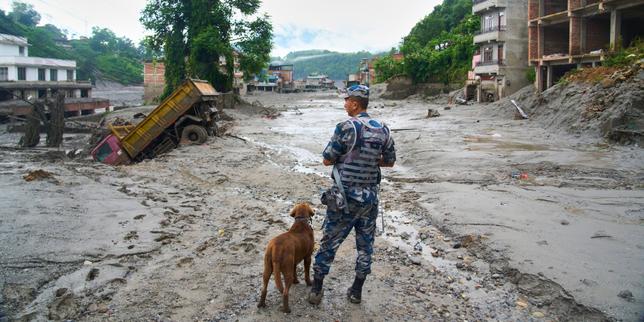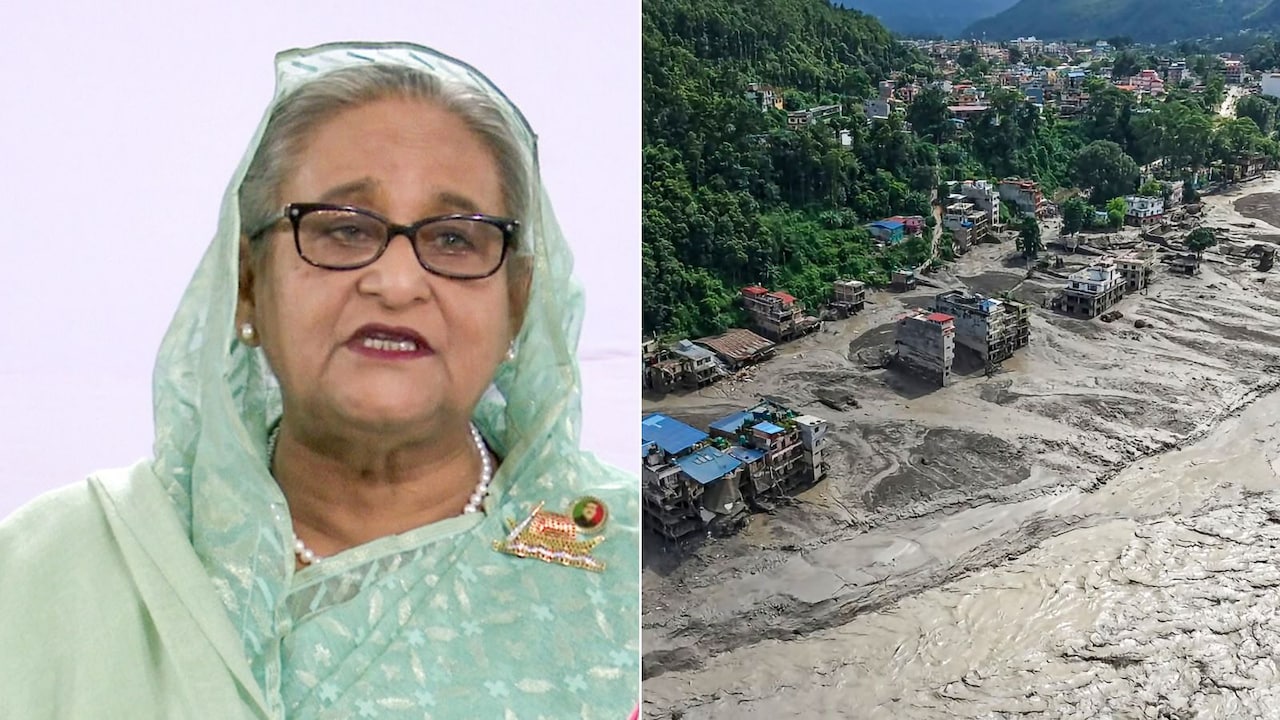
Natural disasters don't care about geopolitical borders or who happens to be running a government at any given moment. When catastrophic flash floods tore through northern Nepal's Rasuwa district, wiping out roads, bridges, and settlements around Timure, Syabrubesi, and Rasuwagadhi, the devastation triggered immediate regional reactions. Among those speaking out was former Bangladesh Prime Minister Sheikh Hasina, who used her voice from exile to urge Dhaka to extend immediate, practical help to Kathmandu.
If you look past the standard diplomatic statements, her intervention highlights a recurring truth about South Asia. Neighbors share each other's ecological nightmares. Whether it's glacial lake outbursts, erratic monsoons, or river erosion, the Himalayan ecosystem is unraveling, and politicians are forced to respond—or look entirely out of touch.
The Logistics Proposal Behind the Condolences
Hasina didn't just issue a standard statement expressing sorrow for the families facing uncertainty and loss. She pointed directly at a concrete logistical asset: Saidpur Airport in northern Bangladesh.
Her proposal was straightforward. If the Nepalese government needed a staging ground for emergency relief operations, Dhaka should offer Saidpur as a humanitarian logistics hub. It's a practical idea rooted in geography. Northern Bangladesh sits relatively close to the Himalayan bottleneck, making regional transit far faster than routing aid through congested southern ports or capital city hubs.
Critics might roll their eyes at statements from leaders out of power, but the logistics proposal hit on a real gap in South Asian disaster response. When flash floods cut off mountain passes, the bottleneck is rarely a lack of global sympathy. It is almost always a lack of nearby staging infrastructure.
Why Regional Cooperation Keeps Failing on Paper
South Asia loves creating committees. We have summits, regional frameworks, and endless declarations about early warning systems and climate adaptation. Yet, when actual disasters strike, countries usually scramble independently.
Hasina's commentary zeroed in on this exact frustration. She argued that fragile mountain ecosystems and extreme weather require actual, functional data-sharing and river management across borders. You can't manage a river basin if upstream and downstream nations refuse to talk honestly about water flows and glacial risks.
When climate shocks hit regions like Rasuwa—where thousands went missing or faced displacement following massive mudslides—standard bilateral channels get bogged down in red tape. Real regional cooperation means pre-negotiated corridors, open data feeds on river levels, and shared aviation clearances before the floods start, not after villages are already washed away.
What Bangladesh Actually Did Next
While former leaders make statements from afar, current administrations have to write the actual checks. The government under Prime Minister Tarique Rahman quickly moved past mere words. Dhaka approved an emergency grant of $1 million directed straight to Nepal's Prime Minister's Disaster Relief Fund.
State Minister for Foreign Affairs Humaiun Kobir formally handed over the assistance to Nepal's Ambassador in Dhaka, backing up the diplomatic solidarity with tangible funds to support rescue and recovery. It’s a clear indication that regardless of political shifts inside Bangladesh, maintaining historic ties with Kathmandu remains a priority.
Disasters force governments to drop their diplomatic posturing, even if only temporarily. Nepal and Bangladesh have long viewed each other as natural partners bound by culture, history, and shared regional challenges.
Moving Past Reactive Relief
Writing a check after a disaster destroys a mountain valley is the easy part. The harder reality is that South Asia is entirely unprepared for the next decade of extreme weather.
If you want to understand why these floods keep getting worse, look at the infrastructure choices we make along fragile river banks. Mountain roads are built without proper drainage, settlements expand into flash-flood zones, and early warning systems fail to reach remote villages in time.
Until regional governments treat climate adaptation as a joint security threat rather than an afterthought for foreign ministries, statements of condolence and emergency million-dollar grants will just become a recurring cycle of Band-Aids on a broken system. Stop waiting for the next catastrophe to test regional solidarity. Build the joint logistics hubs, share the flood data, and fix the warning systems before the rivers rise again.