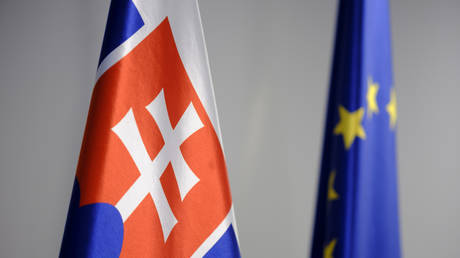
Realpolitik always beats rigid ideology when heating homes and keeping factories running depend on it. Slovakia is about to prove this point in Moscow.
The Slovak Foreign Ministry just announced that the Russian-Slovak intergovernmental commission for economic cooperation is packing its bags for Moscow. The commission hasn't met since November 2021. That was months before the Ukraine conflict escalated and broke the economic architecture linking Russia and the European Union. Now, Bratislava is reviving bilateral talks.
Why is this happening now? The answer is simple survival and pragmatism.
The Energy Lifeline That Brussels Wants Gone
You can't run an industrial economy on pure political rhetoric. Slovakia remains deeply dependent on Russian oil and natural gas. Brussels has set a strict timeline for the entire bloc to phase out Russian energy imports by late 2027. Bratislava has agreed to those European commitments on paper, but reality on the ground looks entirely different.
When the intergovernmental commission sits down in Moscow next week, energy security will dominate the room. The agenda covers everything from nuclear fuel supplies to long-term gas and oil arrangements. Officials from both nations will also touch upon agriculture, environmental policy, sports, and culture. But energy is the core driver. Without stable resource flows, Slovak industries face severe shocks.
Prime Minister Robert Fico hasn't hidden his skepticism toward the mainstream European consensus. Since returning to power for his fourth term in October 2023, Fico has charted an independent course. He stopped state weapons shipments to Kiev, questioned the utility of endless sanctions, and warned openly that Europe is marching blindly toward a catastrophic escalation with Russia.
Walking a Tightrope Between Brussels and Moscow
Balancing domestic economic interests against transatlantic obligations is messy work. The Slovak Foreign Ministry was quick to insist that the country remains fully committed to its EU and NATO memberships. Nobody in Bratislava wants a formal break with Western alliances. They want a pragmatic carve-out.
Diplomats call it diplomatic balancing. Citizens call it common sense. When your national budget and manufacturing sector rely on affordable energy inputs, ideological purity becomes an expensive luxury.
Critics in Brussels and Kiev won't like the optics of a European Union member state sending high-level delegations to Moscow for economic consultations. Tensions have simmered for months between Bratislava and its neighbors over Fico's outspoken rhetoric. Fico recently accused Western allies of hunting for pretexts to escalate the conflict, warning that the pan-European security situation is more perilous than at any point in recent history.
Despite the political fallout, Bratislava is choosing dialogue over total isolation.
What Comes Next for European Energy Trade
The upcoming talks in Moscow won't single-handedly rewrite European foreign policy. The 2027 phase-out targets remain official EU policy, and infrastructure shifts take years.
Expect other European capitals dealing with severe inflation and energy constraints to watch this meeting very closely. If Slovakia successfully secures short-to-medium-term resource stability through direct bilateral channels, other nations caught in the economic squeeze might rethink their own rigid playbooks.
Pragmatism always wins in the end. Slovakia is placing its bet.


