Headlines about men fathering dozens of children usually read like bizarre internet trivia. You see the number, shake your head at the absurdity, and scroll past. But when Mohammad Sadeq admitted to the BBC that he has fathered more than 70 children across four wives, and frankly stated that he can no longer remember most of their names or feed them, the reaction should be more than a passing shock. It points straight toward a grinding humanitarian and social reality that gets ignored until a viral clip forces everyone to look.
Sadeq lives in Afghanistan's Uruzgan province. Out of his 70-plus children, 58 are currently surviving. His youngest is only three months old. When asked how he keeps track of them all, his answer wasn't a heartwarming anecdote about family organization. He simply stated that he calls them "son" or "child" because their names escape him.
The internet loves to turn stories like this into memes or superficial commentary. Look closer at the conditions, however, and the humor evaporates instantly.
The Reality Behind Closed Doors
Media coverage often glosses over what severe multi-generational poverty actually looks like on the ground. Sadeq works at a local car dealership where his earnings sit around fifteen dollars per car sold. That is the sole financial engine driving a household of roughly sixty people.
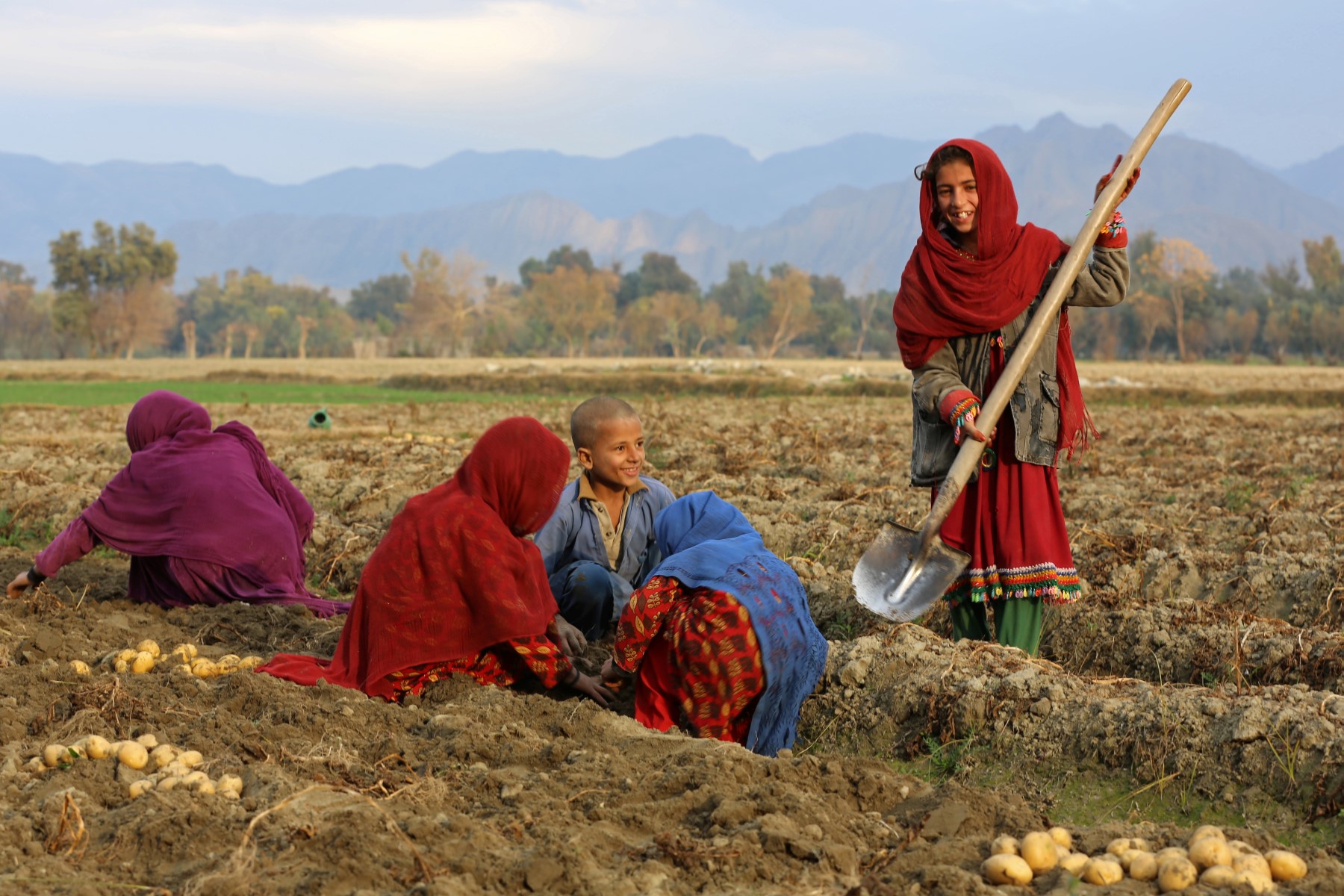
Recent documentary footage reveals a compound built of mud-walled rooms featuring no proper doors or windows. Thin curtains stand in for physical barriers against the harsh elements. When it comes to cooking daily meals, the family often burns scrap paper because purchasing firewood is an absolute luxury they can rarely afford. Shoes are scarce, children wander barefoot, and basic nutrition is a daily gamble.
This isn't just about one man's unusually large family. It represents a collision of extreme economic desperation and systemic social structures that trap vulnerable populations for generations.
The Tragic Human Cost of Child Marriage
Sadeq acknowledged that he married his four wives when they were very young. That detail holds the key to understanding the sheer scale of the tragedy.
Child marriage isn't just an abstract human rights violation discussed in international boardrooms. It destroys lives in quiet, devastating ways. Sadeq noted that many of his children died in infancy or early childhood. Why? Because the mothers were children themselves. They lacked the maturity, health resources, and basic knowledge required to care for newborns, breastfeed effectively, or navigate childhood illnesses. Preventable conditions like measles, whooping cough, and tuberculosis swept through the compound and claimed a dozen young lives.
Public health experts have warned for years that marrying off girls too early triggers a cascade of negative outcomes. Maternal mortality spikes, infant mortality skyrockets, and families get locked into endless cycles of poverty because young mothers miss out on education and financial autonomy.
Why This Story Resonates Now
Stories about massive families surface periodically, from historical anomalies to modern viral sensations. Yet this specific case cuts a nerve because it exposes the total breakdown of paternal and social safety nets.
When a father reaches a point where he cannot feed his dependents, keep them warm, or even remember their names, the traditional justification for large families—that children represent future security—collapses completely. Instead of building a secure household, families in these extreme circumstances end up stretching scarce resources past the breaking point, leaving every child undernourished, uneducated, and entirely exposed to the elements.
The viral attention will fade in a few days. Social media feeds will cycle onto the next shocking clip, and Sadeq's family will remain in Uruzgan, burning paper for heat and scraping by on fifteen dollars a car. The real takeaway isn't the jaw-dropping number of children. It is the urgent, unaddressed crisis of child marriage and systemic poverty that allowed this situation to happen in the first place.