The clock is ticking down to December 31, 2026. That is when the UN Security Council mandate for the peacekeeping force known as FINUL officially expires. For decades, these blue helmets have maintained a fragile line of observation across southern Lebanon. Now, as a structured and orderly withdrawal looms, a profound dread has gripped local communities. People living near the frontier are asking a terrifying question. Who will watch when the international witnesses are gone?
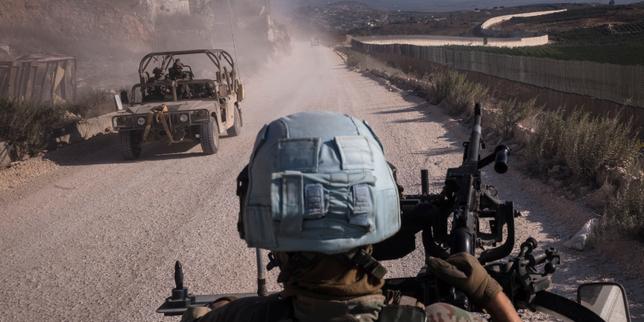
Local residents and regional observers share a common anxiety. They fear that without international monitors documenting movements on the ground, the Israeli military will operate entirely unchecked. Right now, roughly six percent of southern Lebanon remains under active Israeli military presence following recent ground escalations. Remaining blue helmet units—including French and Indonesian contingents—still patrol the rubble. They log violations, report airstrikes, and provide a tiny buffer of international accountability. Once they leave, that institutional memory vanishes.
The Reality of a Security Vacuum
You cannot simply pull out an army of thousands of peacekeepers and expect a seamless handover. The Lebanese Armed Forces face immense capacity limits. They are underfunded, underequipped, and stretched thin across multiple domestic crises. Transforming the security architecture of southern Lebanon requires billions of dollars and years of logistical planning. Estimates to properly resource a replacement apparatus scale up toward five billion dollars. That staggering price tag reveals just how deep the structural deficit really is.
Without foreign funding and massive technical assistance, the Lebanese state cannot project full authority down to the border. International donors are holding high-level summits in places like Paris to figure out a viable successor. Yet, these diplomatic talks often lack concrete timelines or guaranteed financial backing. Meanwhile, residents return to shattered villages before the state even arrives, trying to rebuild homes amid ongoing military friction.
What the Exit Means for Accountability
The core issue isn't just military—it's evidentiary. When a structure or a civilian zone gets hit, FINUL reports provide an independent baseline of fact. Diplomats use these logs. Human rights groups rely on them. Without this impartial eye, narrative wars replace factual records.
Israel maintains that its operations target remaining militant infrastructure, while local populations bear the brunt of an unmitigated footprint that creeps further inward every month. If the international community steps away without an effective monitoring mechanism in place, accountability evaporates.
The Path Forward for Border Security
Solving this crisis demands more than temporary political theater. International backers must tie their financial aid directly to operational capability, ensuring the Lebanese army receives intelligence assets, mine-clearing technology, and mobility tools. Relying on vague promises will only leave southern Lebanon exposed to perpetual instability. Real security requires absolute transparency, robust funding, and a clear framework that prevents any single actor from rewriting the rules of the border in the dark.