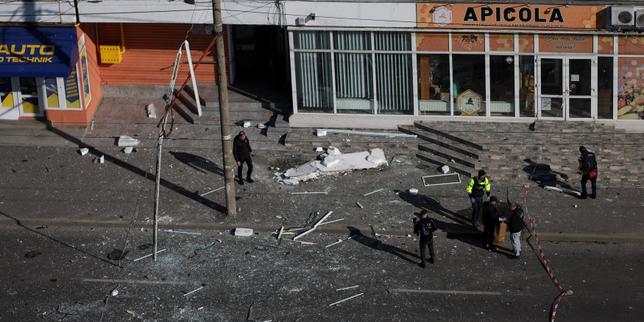
A piece of paper and a court stamp can't stop a bullet. That brutal reality stands at the center of the killing of Shalini Thakur, a 38-year-old Indian-origin woman shot dead in broad daylight outside a Sacramento restaurant. For months, Thakur lived a nightmare of escalating harassment. She found an Apple AirTag hidden beneath her car. She discovered someone had made a duplicate key to her apartment and entered while she slept. She went through the legal system, secured a restraining order, and reported violations. It wasn't enough.
Her attacker, a 22-year-old man named Rohit whom she knew from local food delivery pickups, kept closing the gap. When she refused his demands for marriage due to their age difference, his obsession turned deadly. On a Tuesday afternoon, after she was dropped off near her workplace in the Arden-Arcade area, he chased her across a parking lot and opened fire. The tragedy exposes glaring systemic failures in how authorities handle stalking victims and forces a hard look at the tools we rely on for personal safety.
When Digital Tracking Meets Domestic Obsession
Modern technology has given stalkers invisible weapons. Devices like Apple AirTags, originally designed to help people find lost keys or luggage, have routinely been weaponized by abusers to track victims without their knowledge. In Thakur's case, the tracking wasn't subtle. She discovered the device early in the ordeal, yet the discovery only seemed to ramp up the perpetrator's frantic efforts to exert control.
Stalking experts point out that digital surveillance often precedes physical violence. When someone realizes their movements are constantly monitored, the psychological toll is immense. But tracking is just one piece of a dangerous puzzle. Perpetrators frequently use tactics like tampering with vehicle tires to manufacture moments where they can swoop in as a "helper," feigning coincidence or concern. Rohit allegedly used this exact tactic, deflating her car tires before showing up to offer assistance.
The intrusion didn't stop at her car. Finding a duplicate key used to enter an apartment while a victim sleeps represents a terrifying violation of the most fundamental safe space. Locks are supposed to provide sanctuary. When a stalker breaches that boundary, the feeling of safety is permanently shattered, leaving the victim trapped in a perpetual state of high alert.
Why Restraining Orders Often Fail Victims
The legal system offers civil harassment restraining orders as a primary shield against stalkers. Yet, these orders are fundamentally pieces of paper. They rely entirely on the willingness of the offender to comply or the capacity of law enforcement to intervene the moment a violation occurs.
Court documents show that Rohit was served with a temporary restraining order in May, requiring him to stay away from Thakur, her home, and her workplace. Yet, the harassment persisted. Weeks before the fatal shooting, Thakur reported that groceries were left at her home in direct violation of the order. Deputies noted probable cause for an arrest, but as law enforcement officials later admitted, an arrest warrant or past violation does not instantly neutralize a determined aggressor.
Victims are frequently left to navigate a bureaucratic maze while their lives hang in the balance. They must document every text, every sighting, and every violation, proving over and over again that they are in danger. By the time police secure enough evidence to act decisively, the escalation has often crossed a line from harassment into fatal violence.
The Breakdown in Protection and Support
The aftermath of Thakur's murder also triggered a political clash over immigration enforcement, with federal agencies noting the suspect's entry history into the United States. But for grieving family members, like her mother Sudesh Kumari who had traveled from India to stay with her only daughter, political point-scoring offers zero comfort. The central question remains agonizingly simple: How does a woman who followed every legal protocol still end up murdered in a public parking lot?
Protecting stalking victims requires a complete overhaul of how law enforcement prioritizes repeat violations. When a restraining order is breached, it shouldn't be treated as a routine administrative infraction. It must be treated as an immediate emergency. Courts and police agencies need streamlined emergency protocols that escalate protection the moment a stalker crosses a boundary, rather than waiting for a tragedy to unfold.
If you or someone you know is facing persistent harassment or stalking, do not rely on legal paperwork alone. Document every single incident with timestamps and photographs, alert local law enforcement repeatedly until they take action, change your daily routines, and lean on dedicated domestic violence advocacy groups that provide secure, confidential emergency housing and safety planning.