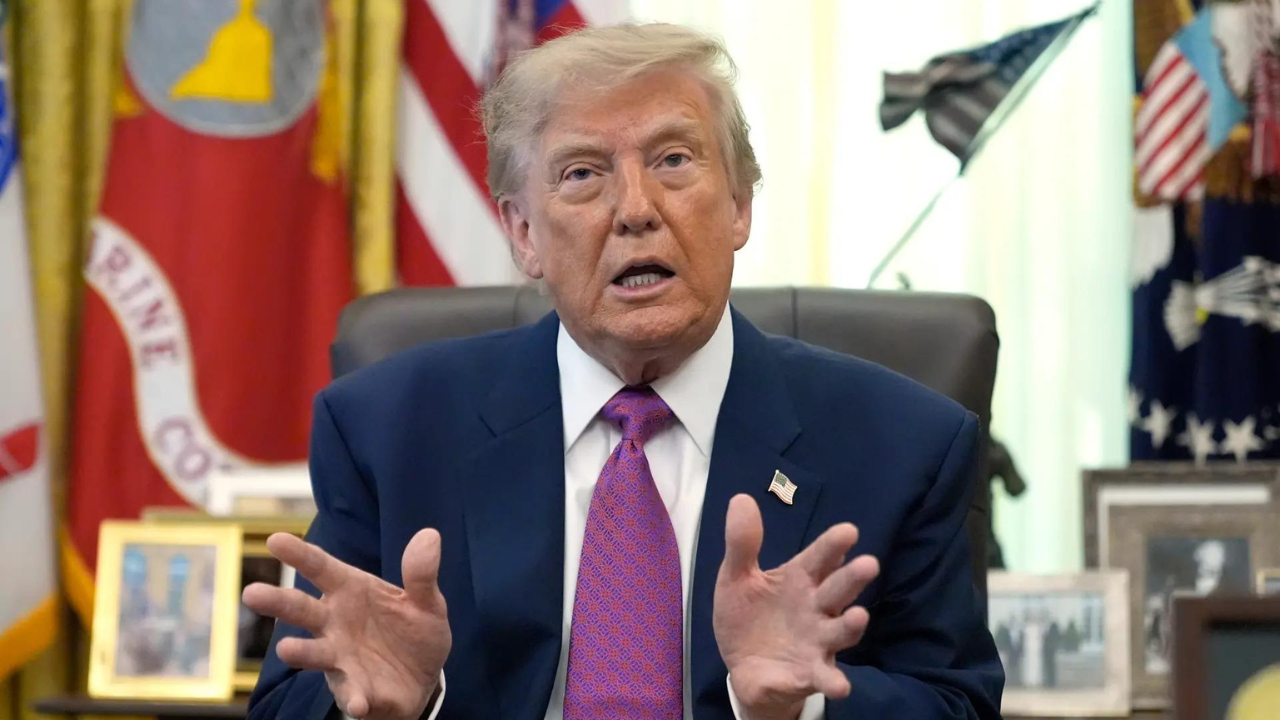
Record-breaking diesel prices at the pump have a way of concentrating political minds. When US President Donald Trump took to Truth Social to announce that Moscow and Kyiv had mutually agreed to stop targeting each other's energy infrastructure, it caught almost everyone off guard.
"Ukraine has agreed not to hit Russian Energy targets. Russia has agreed to do, likewise!" Trump wrote, shifting the blame for surging global fuel costs squarely onto the ongoing conflict in Eastern Europe rather than disruptions in the Middle East.
Except there is a massive gap between a social media announcement and reality on the ground.
The Pressure Behind the Pump
Let's look at why this announcement happened right now. Average diesel prices recently rocketed past six dollars a gallon in the United States, creating an acute political liability. Midterm elections are closing in fast, and angry voters don't care about geopolitical nuances when they're paying historic highs to fill their tanks.
For months, Ukraine's strategy has relied heavily on long-range drone strikes hitting Russian oil refineries, storage depots, and diesel production facilities. Kyiv uses these attacks strategically to degrade the economic engine funding Moscow's invasion. Those precise drone hits successfully choked off a significant portion of Russian output, forcing Moscow into temporary export bans and tightening global supply.
Trump didn't hide his frustration. Speaking to reporters in Ireland, he explicitly called out Ukrainian President Volodymyr Zelenskyy, arguing that knocking out Russian diesel fuel production was hurting the global economy.
Kyiv Reacts With Deep Skepticism
If you listen to what Ukrainian leadership is actually saying, the picture looks very different from Trump's tidy proclamation. Kyiv hasn't signed away its right to defend itself or retaliate without ironclad guarantees.
Zelenskyy responded by stating that Ukraine remains entirely unconvinced that Russia has any genuine desire to comply with such an agreement. The official stance from Kyiv is conditional: if international partners can guarantee that Russia will stop destroying Ukrainian electricity grids, power plants, and food supply routes, then Ukraine will gladly halt its own energy strikes.
History explains this hesitation. Previous short-term pauses or localized truces brokered over the last few years routinely collapsed within hours as missile barrages continued to slam into civilian and critical infrastructure across Ukraine. Moscow's military playbook relies heavily on weaponizing winter and freezing out Ukrainian cities, making a voluntary energy ceasefire hard to visualize for commanders in Kyiv.
What Moscow Is Saying
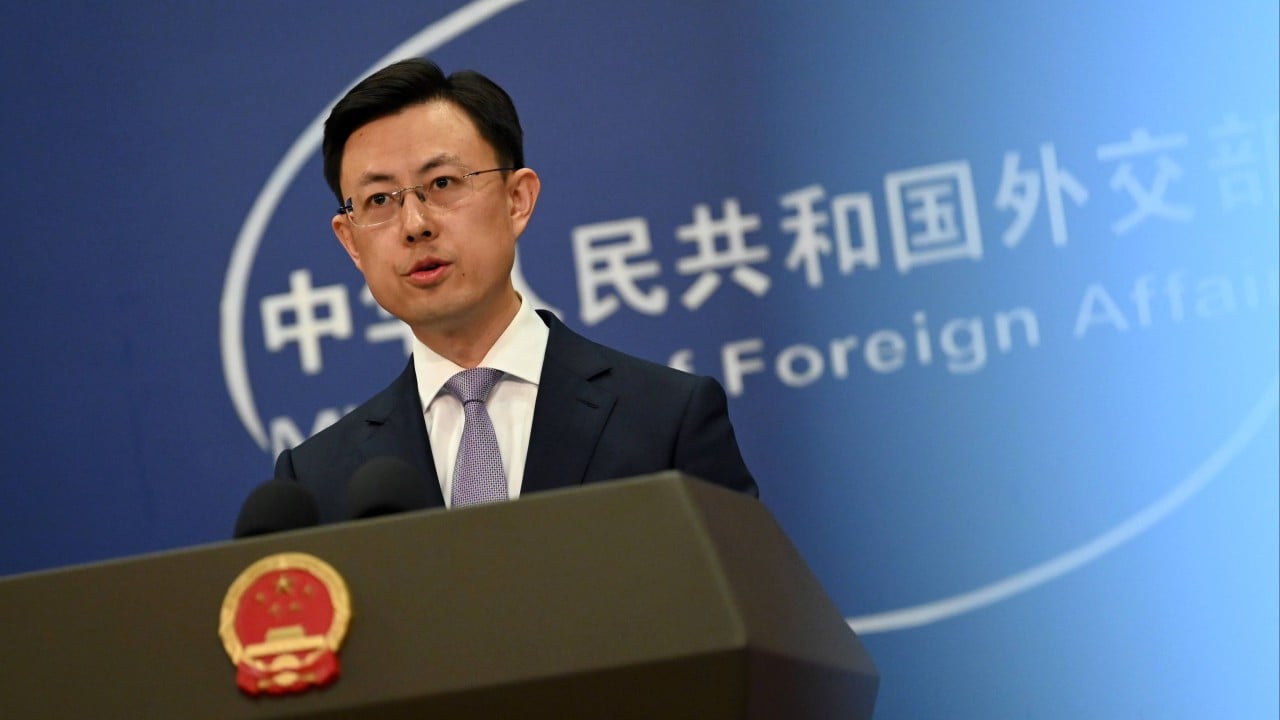
The Kremlin's response has been calculated. Russian officials quickly welcomed Trump's public call for Kyiv to cease its refinery attacks, recognizing it as a diplomatic win that could curb the devastating efficiency of Ukrainian drone technology.
At the same time, Kremlin spokespeople distanced themselves from the broader narrative that global energy chaos stems exclusively from the Russia-Ukraine conflict, pointing instead to ongoing instability in the Persian Gulf. Noticeably absent from Moscow's public statements was any binding commitment to halt their own relentless bombardments of Ukraine's power network.
Independent energy analysts point out that Russian leadership under Vladimir Putin has little incentive to lock in a permanent energy freeze right now. With winter approaching, the Kremlin views freezing infrastructure as a primary lever to force political concessions.
The Global Fuel Reality
Trump insists that the spike in diesel is "mostly caused by the Russia/Ukraine War, not Iran". Energy market data tells a messier story. Economic assessments from research groups like the KSE Institute show that concurrent conflicts and shipping blockages in the Middle East stripped massive amounts of barrels out of global circulation, matching or exceeding the deficit caused by Ukrainian drone hits on Russian refineries.
Blaming a single factor allows political leaders to offer simple narratives for complex economic pain. But energy markets don't heal via social media posts. Until formal verification mechanisms are established on the ground, expect the drones to keep flying toward refineries on both sides of the border regardless of what was posted online.