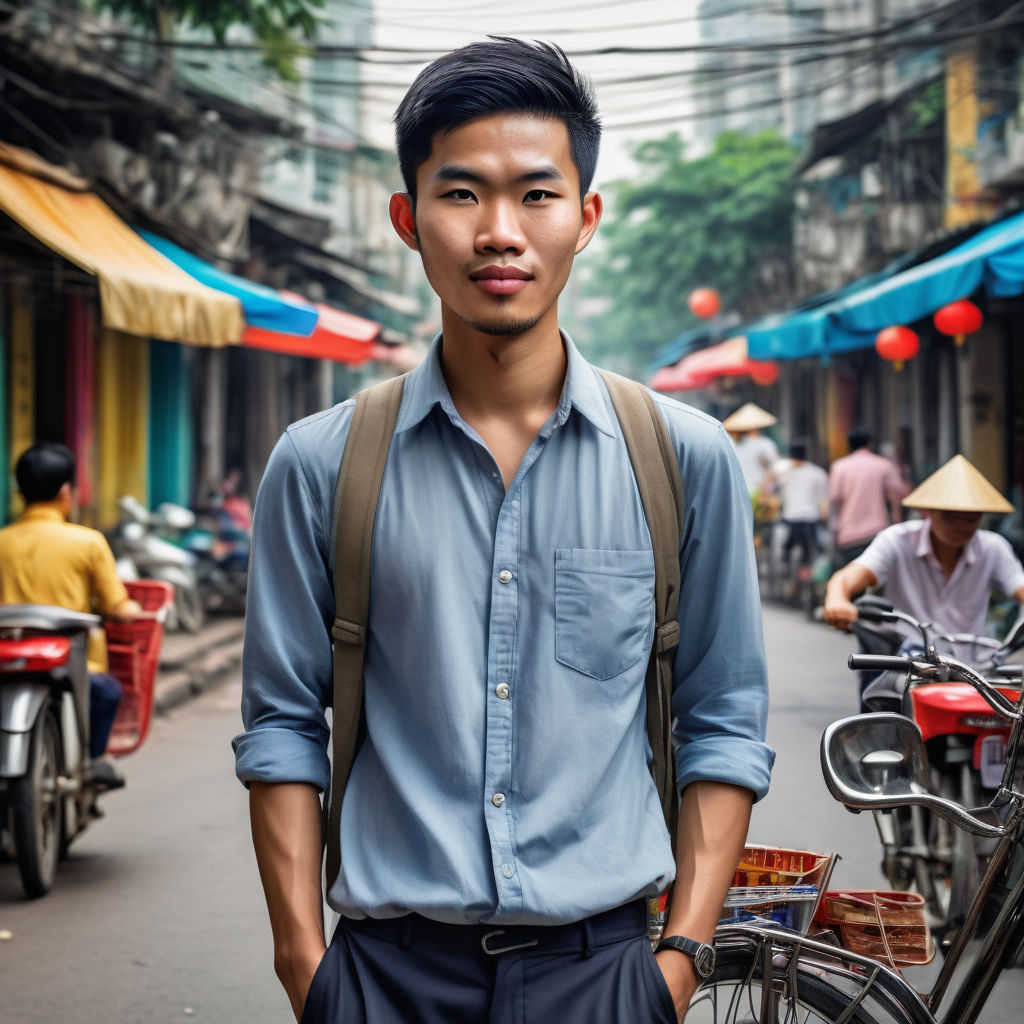
Vietnamese Prime Minister Le Minh Hung just touched down in New Delhi, and honestly, the diplomatic weight of this arrival deserves a closer look. India is hosting the 18th BRICS Summit under its 2026 chairship, guiding the massive economic bloc through a theme of resilience, innovation, cooperation, and sustainability. Vietnam sits firmly among the vital partner countries of the grouping. If you think this is just another routine diplomatic photo-op, you are missing the entire geopolitical shift happening right now.
Why This Summit Matters for New Delhi and Hanoi
Global economic fragmentation is getting worse by the day. Supply chains break down, technology disruptions happen overnight, and traditional Western-led financial institutions face mounting pressure from the Global South. That's why India's leadership of the bloc this year carries massive weight.
BRICS members currently command around 49.5 percent of the global population, 40 percent of global GDP, and 26 percent of global trade. Those aren't just dry statistics. They represent a shifting center of gravity in international trade. When leaders like Le Minh Hung arrive in Delhi, they aren't just attending meetings; they are actively working to future-proof their economies against external shocks.
Vietnam’s inclusion as a partner country—alongside nations like Malaysia, Thailand, Belarus, and Cuba—gives the bloc immense regional clout in Southeast Asia. Hanoi maintains a famously independent foreign policy, often described as "bamboo diplomacy." They bend with the wind so they don't break, balancing relations with major global powers carefully. Showing up in Delhi for this summit signals that Vietnam sees immense value in multilateral coordination outside traditional Western orbits, without burning any bridges elsewhere.
What's Actually on the Table
Beyond the handshakes and bilateral photo sessions, concrete issues dictate the schedule.
- Local Currency Transactions: Member states want alternatives to dollar-dominant trade systems. Discussions around mechanisms like BRICS Pay are moving from theory to reality.
- Technology and Innovation: As supply chains decouple, tech sharing and digital infrastructure resilience take center stage.
- Climate Pressures: Emerging economies face intense demands to balance rapid industrial growth with sustainability mandates.
India's specific focus for this year's chairship revolves around turning expanded representation into actual, tangible outcomes. It's easy for large blocs to issue wordy declarations that mean nothing. Making those declarations work on the ground is where the real challenge lies.
The Broader Strategic Picture
Look past the summit venue, and you will see security and economic threads tying India and Vietnam closer together. Defense ties between the two nations have grown steadily over recent years. Just weeks before this summit, senior military officials from both nations crossed paths during training milestones, highlighting a multi-layered partnership that goes way beyond economics.
When you combine Vietnam's manufacturing rise with India's massive domestic market and technological scale, you get a powerful axis within the broader Asian economic story. Prime Minister Le Minh Hung's presence in Delhi highlights how middle powers are refusing to stay passive spectators in a rapidly fracturing world order. They are stepping up to shape the rules of the game themselves.