When a Himalayan glacier collapses, it doesn’t just cause a localized flood. It triggers an apocalyptic wall of water, ice, and debris that erases entire communities in seconds. That's exactly what hit the remote mountain river valleys along the China-Nepal border, sending shockwaves through both nations and pushing the combined disaster death toll past 500.
If you're tracking the catastrophe at the Gyirong Port border crossing, you already know the numbers are grim. But the raw stats tell only half the story. The real crisis right now is the chaotic race against secondary hazards, specifically the volatile barrier lakes threatening to unleash another wave of destruction just as rescue workers try to reach survivors.
The Trigger and the Scale of the Devastation
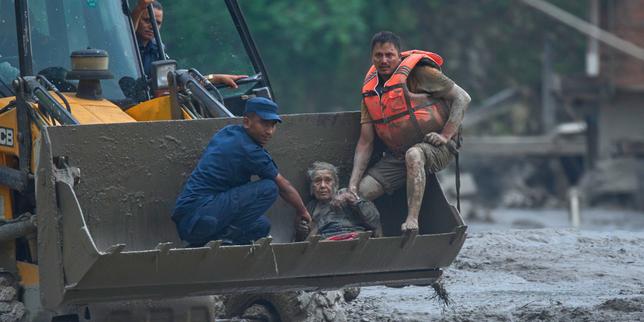
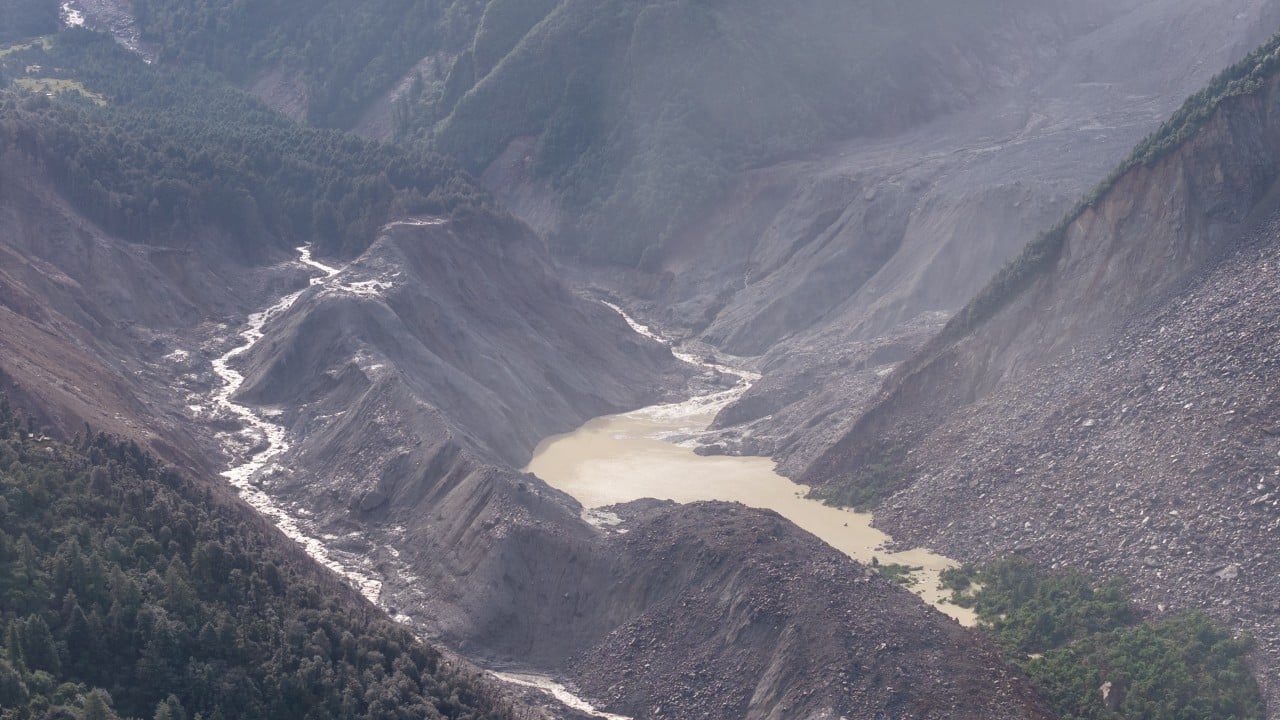
The disaster began with a massive glacier and rock collapse in the high mountains. A colossal torrent of ice, water, rock, and mud cascaded down steep river valleys, obliterating roads, bridges, and hydropower plants. Witnesses described well-built structures being wiped out like toothpicks.
In Nepal, the disaster authority reported at least 579 deaths, while thousands more remain unaccounted for. On the Chinese side, the death toll in Tibet's Gyirong County rose as crews struggled against blocked mountain passes to reach the hardest-hit zones. More than 90,000 people are estimated to be affected across the region. Relief trucks sit blocked on ruined roads, and remote villages in districts like Rasuwa remain accessible only by helicopter.
Why Barrier Lakes Are Threatening Rescue Work
Clearing debris and searching for missing persons is dangerous enough in fragile Himalayan terrain. But the immediate panic hit a fever pitch when a "barrier lake"—a natural dam formed when massive landslides block a river—began to overflow.
Authorities on both sides of the border had to briefly pull back all rescue personnel and heavy vehicles. The fear was simple and terrifying. If the dammed reservoir, which topped 2.5 million cubic metres of water, burst completely, it would send a fresh, catastrophic surge down into the Lhende Khola and Trishuli rivers.
Fortunately, when the overflow finally reached downstream communities, the actual water level rise was measured at about two feet (0.6 meters). It was nowhere near the catastrophic magnitude of the initial flash flood. The immediate threat eased just enough by midday for Chinese state broadcaster CCTV and Nepalese military spokespersons to confirm that search-and-rescue operations had quickly resumed.
The Diplomatic and Operational Hurdles
Beyond the physical danger of mudslides and rising waters, the rescue mission has exposed massive logistical and geopolitical challenges.
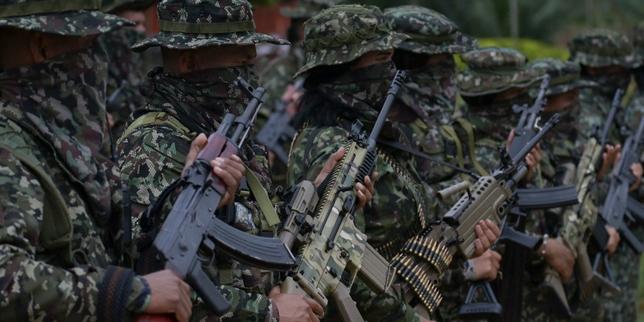
Offers of international search-and-rescue teams poured in from India, the United States, Britain, and other nations. Yet, Kathmandu's foreign ministry opted to manage the rescue efforts independently using its own security personnel and military forces. Critics and diplomats point out that the sensitive location of the Rasuwa district—nestled directly against China's Tibet—adds a layer of complex cross-border diplomacy to an already heart-wrenching humanitarian crisis.
Meanwhile, political leadership under Chinese President Xi Jinping and Nepalese authorities are facing immense pressure to step up long-term infrastructure monitoring. High-altitude glacial lakes and landslide-prone river systems are becoming ticking time bombs as regional weather patterns intensify.
If you are looking for how this crisis resolves, watch the pace of infrastructure clearance on the border roads. Until heavy equipment can reach trapped workers and cut-off valleys safely, thousands will continue to rely entirely on precarious helicopter drops. Donate to vetted international aid organizations working on the ground in Nepal and Tibet if you want to help families displaced by the floods.