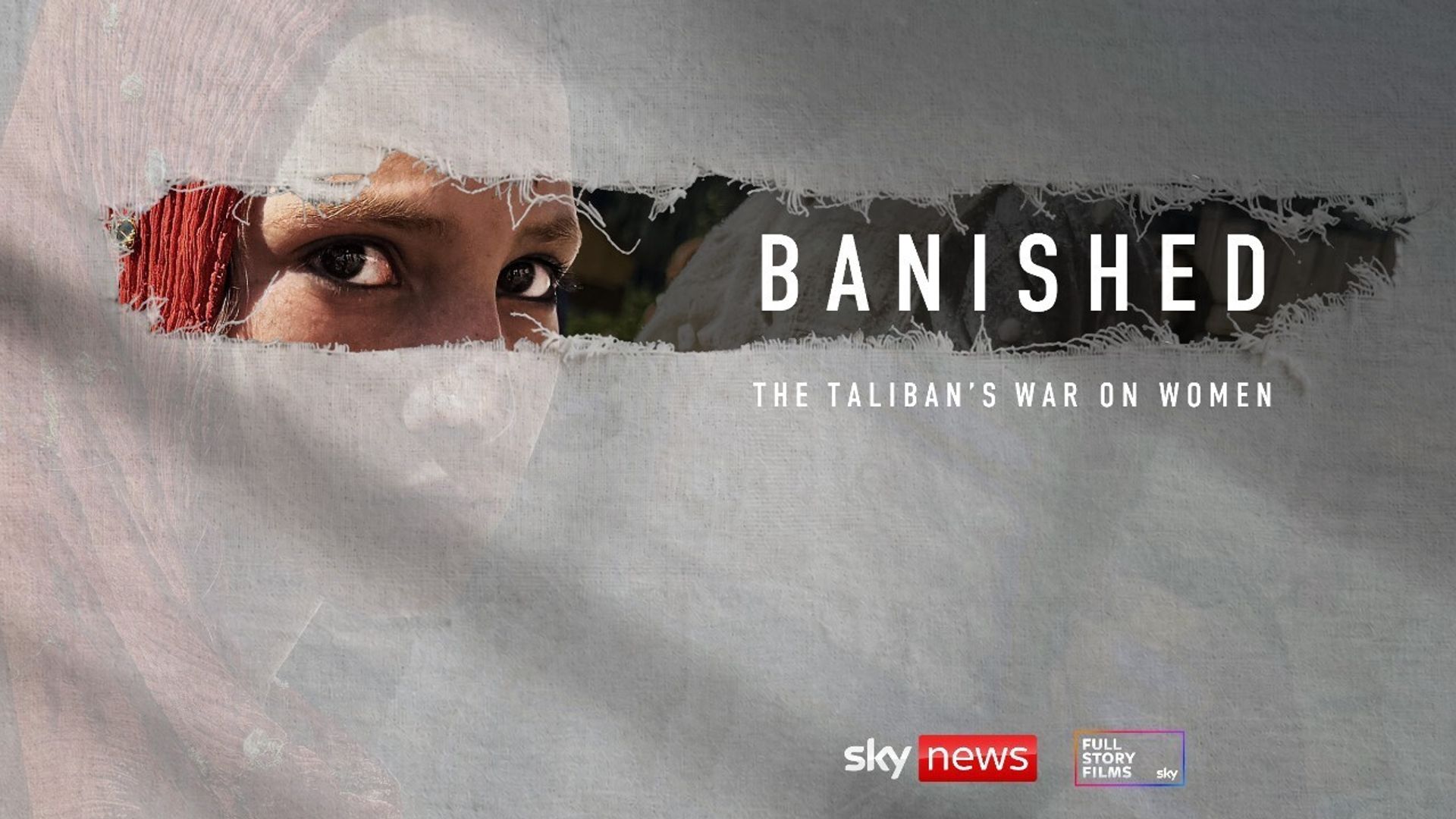
Five years after the Taliban seized control of Kabul, the erasure of Afghan women from public life isn't just continuing—it is hardening into an permanent structural reality. Sky News special correspondent Alex Crawford returned to the country to document this systemic lockdown, resulting in a stark new feature titled Banished: The Taliban's War On Women. Tickets for a special live screening and accompanying Q&A session have just gone on sale, giving audiences a rare, unvarnished look at a humanitarian and human rights disaster that much of the world has quietly stopped talking about.
If you've been wondering how ordinary Afghan citizens are surviving under crushing edicts that ban women from universities, secondary education, most forms of employment, and public spaces without a male chaperone, this documentary delivers raw, firsthand answers.
Inside the Five-Year Reality Check
When foreign troops pulled out in 2021, predictions about the Taliban's governance varied wildly. Some officials hoped for a more moderate regime; others warned of immediate repression. Crawford's reporting strips away any remaining illusions. Banished: The Taliban's War On Women tracks the compounding misery of a population trapped by severe economic collapse and medieval ideological crackdowns.
What makes Crawford’s work stand out from standard broadcast reporting is her persistence. During a career spanning three decades—earning her multiple BAFTAs and International Emmy Awards—she has repeatedly pushed past state censorship lines to capture ground-level truths. In this latest project, she doesn't just list statistics about lost jobs or shuttered beauty salons. She captures the defiant voices of women and girls who refuse to let their existence be completely wiped out, even as the walls close in around them.
Why Public Screenings Matter Right Now
It is easy to scroll past news alerts about Afghanistan on your phone. Displaced headlines about conflicts elsewhere in the world easily crowd out a crisis that feels distant or intractable. That is precisely why live cinema screenings and public Q&A sessions carry heavy weight.
Attending a screening forces you to confront the reality of the Taliban's war on women without the easy distraction of a browser tab. It creates a shared community space for discussion. When journalists like Crawford sit down for post-screening panels—often hosted via venues like the Frontline Club in London—attendee questions routinely dig into the gritty logistics of reporting inside a heavily monitored totalitarian state.
- Direct Witness Accounts: Hear unmediated testimonies from those living under constant surveillance.
- Contextual Analysis: Understand how international inaction has inadvertently stabilized the regime's grip on power.
- Actionable Solidarity: Discover grassroots charities and support networks working directly on the ground to assist vulnerable families.
What You Can Do
Awareness without action rarely changes policies. While watching a documentary won't instantly overturn oppressive edicts issued in Kandahar, keeping the spotlight bright on Afghanistan starves the regime of its desired silence. Totalitarian systems rely on external apathy to enforce isolation.
Tickets for the screening of Banished: The Taliban's War On Women are available now through platforms like Eventbrite and partner venues. If you are in a position to attend, grab a seat, listen to the panel discussions, and refuse to let half a nation be written out of history.