You'd think a country wrestling with high inflation and towering interest rates would jump at the chance to cozy up to a major economic bloc. But Iceland looked at Brussels, weighed the options, and slammed the brakes.
Voters went to the polls in late August to decide whether the island nation should drag its long-dormant European Union candidacy out of the freezer. The result? A clear rejection of renewed negotiations, with 52.8 percent voting against restarting talks and 47.2 percent voting in favor, according to the Wikipedia Icelandic European Union Membership Negotiations Referendum overview.
If you glance at the surface, it looks like a simple rejection of European integration. But the reality on the ground in Reykjavik is far more nuanced. Iceland isn't anti-Europe. In fact, it is already deeply entangled in the European project.
The Status Quo Wins Comfort Over Change
To understand why this ballot turned out the way it did, you have to look at what Iceland's relationship with the continent already looks like. The country sits firmly inside the single market through the European Economic Area Agreement, belongs to the Schengen travel zone, and adopts a massive chunk of EU legislation to keep trade flowing smoothly.
In many ways, everyday life in Reykjavik already mirrors life in any member state. The core argument from the "yes" campaign was simple: since we already follow the rules, shouldn't we have a seat at the table where those rules are written? Proponents pointed to sky-high domestic interest rates and stubborn inflation sitting around 5.6 percent, arguing that closer financial alignment could bring stability, as detailed by Modern Ghana's coverage of the Iceland referendum.
Yet, voters ultimately decided that the current arrangement is good enough. As analysts note in The Loop's analysis of the Iceland vote, participation without full representation remains an acceptable compromise for the majority of the population.
Fish, Sovereignty, and National Pride
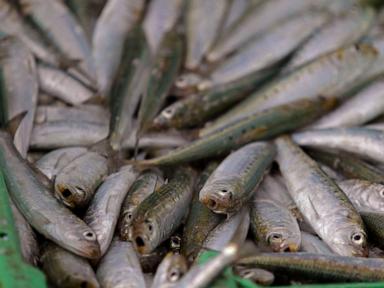
You can't talk about politics in Iceland without talking about the ocean. Fishing accounts for a massive slice of exports and sits squarely at the heart of national identity.
The moment full membership enters the conversation, the EU's Common Fisheries Policy enters the room. Opponents of resuming talks successfully argued that handing over control of fishing quotas to Brussels would undermine decades of hard-fought sovereignty. Memories of historic maritime disputes run deep, and the prospect of foreign vessels securing broader access to Icelandic waters proved to be a bridge too far for local industries.
National sovereignty remains a sensitive nerve. Full membership would require constitutional changes to transfer sovereign powers, an idea that makes many voters instinctively nervous. For a nation of fewer than 400,000 people fiercely proud of charting their own course, keeping absolute control over natural resources trumps the potential perks of a larger political union.
Geopolitical Pressures Versus Domestic Realities
International observers often miss the disconnect between global headlines and local priorities. Security concerns in the North Atlantic and shifting global dynamics pushed the government to schedule the vote in the first place. With tensions rising in the Arctic and regional security evolving rapidly, foreign policy thinkers in Brussels and other capitals assumed Iceland would lean into collective security frameworks.
Instead, the electorate focused on domestic practicalities. Inflation, the strength of the local currency, and local industry protection dominated kitchen-table conversations. While international strategists viewed the ballot through the lens of geopolitics, everyday citizens viewed it through the lens of daily life and historic independence.
The outcome leaves Iceland's formal application—initially submitted back in 2009 during a severe banking crisis—dormant once again. The status quo survives intact. Iceland remains tied to Europe by trade and travel, but completely independent when it comes to the laws that govern its waters and its economy.