The architecture of global power built after the Second World War is cracking at the seams. When leaders wrapped up the 18th BRICS Summit in New Delhi, the message wasn't diplomatic fluff. It was a clear warning shot. The world order doesn't work for the majority of the planet anymore, and the bloc made it clear they are done waiting for permission to change it.
If you look past the usual handshakes and photo-ops, the core takeaway from the Ministry of External Affairs briefings is simple. The Global South refuses to remain a passive rule-taker. They want to be rule-shapers.
The Core Demands for Institutional Repair
For decades, international institutions like the United Nations Security Council and the Bretton Woods financial systems have operated like exclusive clubs. Membership privileges the victors of 1945 while ignoring current economic realities.
During the New Delhi meetings, BRICS nations hammered away at this exact grievance. The adopted New Delhi Declaration doesn't mince words. It calls for comprehensive United Nations reforms, specifically targeting the Security Council to inject actual representation from developing nations.
- Financial architectures must change to give emerging economies a real vote.
- Security structures cannot function if entire continents are sidelined.
- Multilateralism only survives if it listens to diverse national perspectives instead of Western mandates.
Prime Minister Narendra Modi pitched a practical roadmap during the sessions, urging members to formulate specific governance proposals ahead of the next gathering. India's hosting marks its fourth time steering the grouping, managing over 350 meetings across the year to turn loose rhetoric into structural demands.
Navigating Geopolitical Flashpoints and Conflict
It's easy to dismiss these summits as talking shops, but the geopolitical consensus reached on active conflicts tells a different story. With West Asia teetering on the edge of wider war, the bloc adopted firm stances on regional restraint.
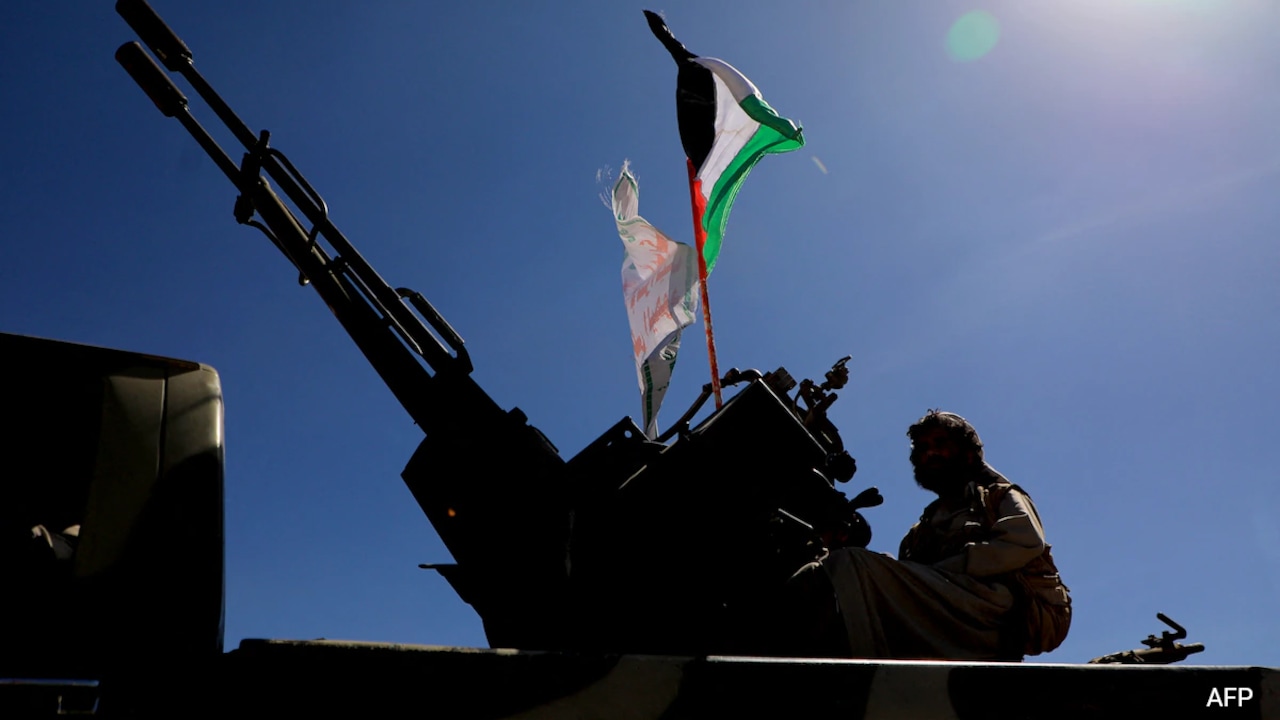
Leaders pressed for immediate ceasefires, unhindered humanitarian access in Gaza, and strict protection for civilian infrastructure. Chinese President Xi Jinping and other key officials stressed that ongoing hostilities inflict irreversible damage on international stability.
You see a clear push toward independent mediation. Rather than outsourcing conflict resolution to traditional Western-led channels, BRICS is carving out alternative diplomatic weight. They want dialogue over economic coercion. They want trade routes kept open despite global polarization.
What This Means Moving Forward
Critics love to point out internal rivalries within BRICS. India and China share a complex border history. Expanded memberships bring competing economic interests. Skeptics argue the bloc lacks the cohesion to challenge the status quo.
They are missing the forest for the trees.
The glue holding these nations together isn't military alliance; it's shared economic frustration. When international financial systems weaponize sanctions or ignore developing markets, alternative groupings gain gravity.
The New Delhi Declaration proves that consensus is possible even amid deep global distrust. The real test begins now. Turning these declarations into actual voting power at the UN or rewriting global trade rules will take aggressive, sustained execution. Keep your eyes on how these reform proposals materialize over the next year. The shift has already started.