Coastal flooding doesn't always arrive with the cinematic terror of a major hurricane. Sometimes, a slow-moving nor'easter parks itself just off the coast, spinning stubbornly for days and dragging high tide after high tide straight into living rooms and power substations. That is exactly what hit the U.S. Northeast, leaving over 130,000 customers in the dark and forcing emergency responders into rescue mode from New Jersey to New England.
If you live along the Atlantic coast, you know the drill. You check the forecast, see a coastal storm brewing, and hope it moves fast. This one didn't.
Why This Nor'easter Stalled Out
The storm system sat stubbornly south of Long Island and east of northern New Jersey, refusing to track out to sea. Meteorological setups like this create a prolonged multi-day hazard rather than a quick overnight punch. Bob Oravec, a lead forecaster with the National Weather Service, pointed out that the storm's slow loop meant continuous high-wind stress and repeated tidal flooding over multiple tide cycles.
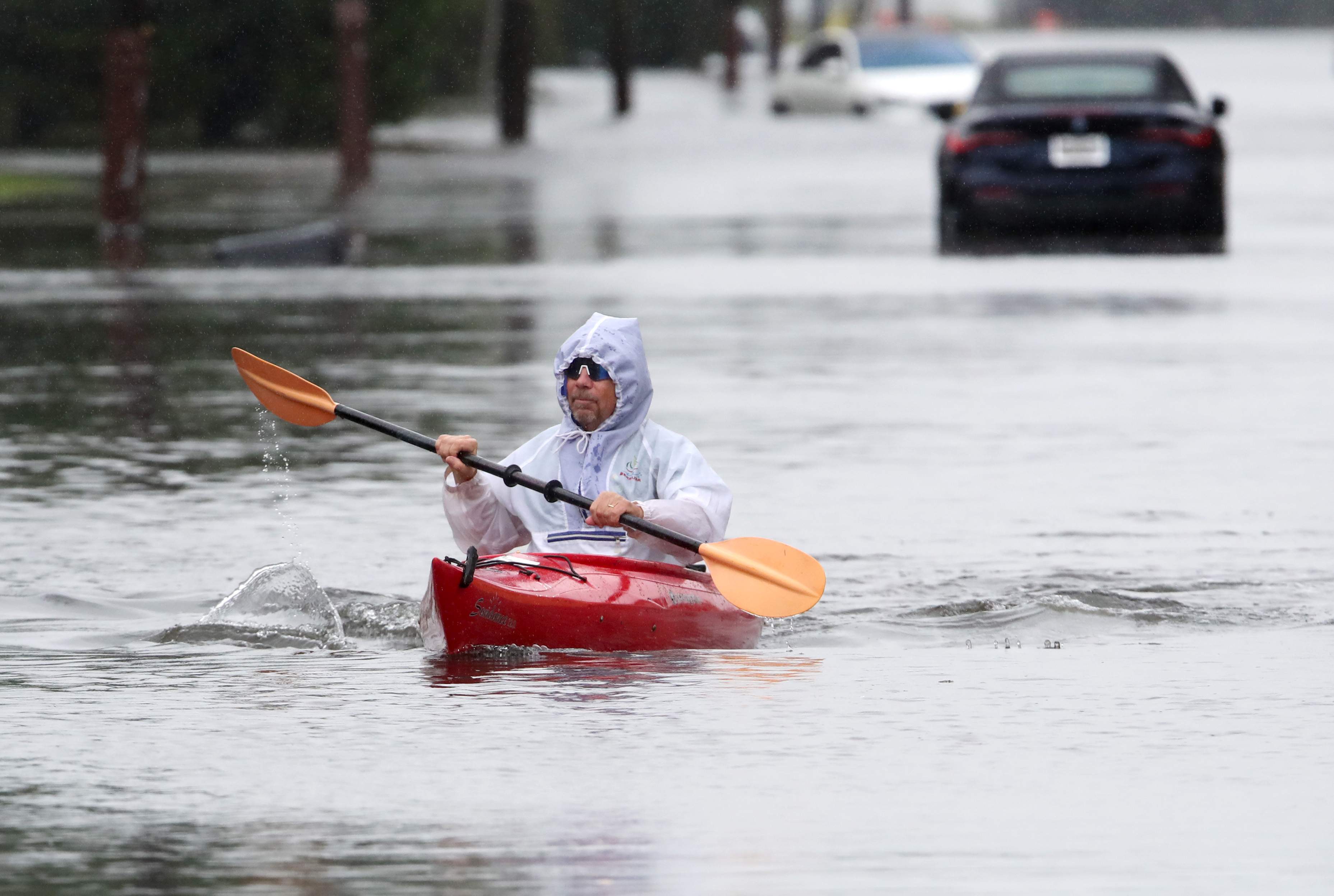
When water doesn't recede between high tides, the next surge builds on top of the previous one. That is why streets in places like Long Island, the New Jersey shore, and coastal Connecticut turned into navigable waterways where people were literally spotted kayaking down residential roads.
The Real Cost of Utility Failures
Power outages are a standard expectation during heavy wind events, but scale matters. More than 130,000 homes and businesses lost electricity across the mid-Atlantic and Northeast early in the event. Fallen trees took down utility lines, crushed cars, and blocked neighborhood streets.
Utility companies face a brutal math problem in these scenarios. Crews cannot safely go up in bucket trucks while high winds are howling. They have to wait for the storm to abate before they can even assess the grid damage, leaving residents to wait hours or days in cold, dark homes.
Travel Chaos and Emergency Responses
Flights at major travel hubs like Boston Logan International Airport faced widespread cancellations. Further south, coastal infrastructure took a direct hit. In North Carolina, floodwaters severed highway access to Hatteras Island, stranding visitors and ruining weekend travel plans, including a wedding scramble after most guests couldn't reach the venue.
Emergency services stretched thin fast. In Sea Bright, New Jersey, responders pulled a woman and her dog from a vehicle trapped in deep water. In towns like Surf City, marina owners watched helplessly as water invaded storage areas, sending boats and personal watercraft adrift or tearing them from their lifts.
Preparing for the Next Coastal Squeeze
Forecasters note that patterns driven by current climate conditions like an active El Niño are disrupting typical seasonal weather behaviors, making coastal flood events trickier to predict and manage.
If you are facing a stalled coastal storm, waiting until water crosses your threshold is a losing strategy. Move vehicles to higher ground early, secure outdoor furniture that acts like a missile in high winds, and have a backup power source ready if you rely on medical equipment. Pay attention to local evacuation warnings and stay off coastal roads. When emergency officials tell you not to tempt nature, they mean it.